How to Break a Big Task Into Small Steps
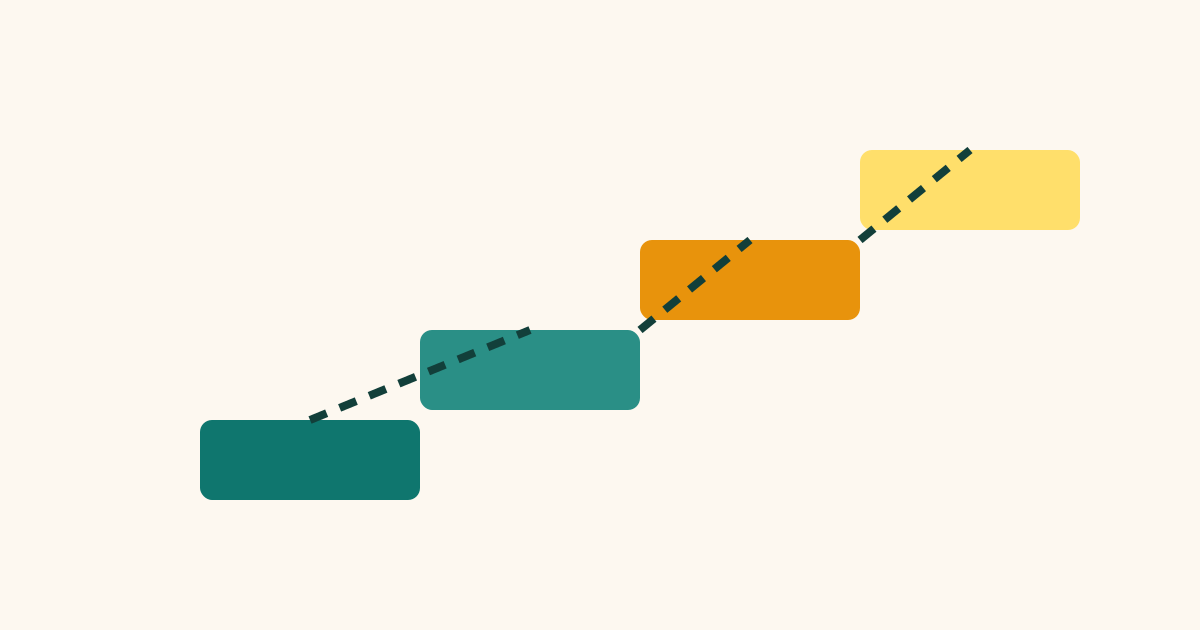
A big task can feel heavy before you even begin. Writing a long report, cleaning a whole house, learning a new subject, or preparing a presentation can all look like one huge job. That feeling often leads to delay, not because you are lazy, but because the task is too large to picture clearly. Breaking it into small steps solves this problem. Small steps are easier to start, easier to finish, and easier to track, and each finished step builds momentum for the next one.
Start by Defining the Finished Result
Before you break a task apart, describe what “done” looks like in one clear sentence. For example: “A five-page report, checked and sent by Friday,” or “A clean kitchen, with dishes washed and surfaces wiped.” A clear result stops the task from growing as you work, because you know when to stop and what counts as complete.
Write the result down, along with any deadline or fixed requirement. If the task has parts you do not control, such as waiting for information from someone else, note those parts separately. This gives you a realistic picture of the work and prevents surprise delays later. A clear end point also makes the task feel smaller, because it is no longer open-ended.
List the Parts, Then Make Them Smaller
Next, list the main parts of the task in any order. For a report, the parts might be research, outline, first draft, revision, and final check. For cleaning a room, the parts might be sorting items, dusting, vacuuming, and putting things away. Do not worry about order yet; just get the parts out of your head and onto paper.
Then look at each part and ask: “Can I do this in one sitting of thirty minutes or less?” If not, break it again. Research can become “find three reliable sources” and “write notes from each source.” A first draft can become “write the introduction” and “write the first main section.” A good step is small enough to start without long preparation, and clear enough that you know when it is finished.
Put the Steps in Order and Start Small
Once you have small steps, put them in a sensible order. Some steps must come before others, such as gathering information before writing, or sorting items before cleaning surfaces. Other steps can be done in any order, so place the easiest or most important one first. Starting with a small, easy step is a smart choice, because an early success makes the rest of the task feel possible.
Choose one step to do today, and write down its first action. A first action should take only a few minutes, such as opening a document, making a list, or setting a timer. Many people delay because the first action feels unclear. When the first action is simple, starting becomes much easier, and once you start, continuing is often easier than expected.
Track Progress and Adjust the Plan
As you finish each step, mark it complete. A tick, a crossed-out line, or a moved card all work. Visible progress is motivating, especially for long tasks, because it shows how far you have come. It also helps you see what remains, so the task does not feel endless.
If a step turns out to be larger than expected, break it again. If a step is no longer needed, remove it. If you fall behind, do not try to catch up by doubling the work in one day; instead, adjust the order and continue with the next small step. A plan that changes with real progress is more useful than a perfect plan that is never updated.
Common Mistakes
One common mistake is breaking a task into steps that are still too large, such as “write the report” or “clean the house.” These are not steps; they are smaller versions of the original problem. Keep breaking a step down until it can be done in one focused session. Another mistake is spending too long planning and never starting. Planning should take a short time, then action should follow.
Many people also try to do steps in perfect order, even when one step is blocked. If you are waiting for information, move to another step you can do now. Finally, avoid judging progress only by the final result. For a big task, progress is measured step by step, and each completed step is real progress, even if the whole task is not yet finished.
Frequently Asked Questions
How small should each step be?
Small enough to complete in about thirty minutes or less, and clear enough to know when it is done. If a step feels vague or takes hours, break it into two or three smaller steps before you begin.
What if I do not know all the steps at the start?
That is normal. List the steps you know, start with the first one, and add new steps as you learn more. A task plan does not need to be complete before you begin; it needs to be clear enough for the next step.
Should I work on steps every day?
Regular work helps, even if it is short. A single small step each day keeps momentum alive and prevents the task from feeling new again. If you miss a day, simply return to the next step without trying to do everything at once.
What if a big task still feels overwhelming?
Make the first step even smaller. Instead of “write the introduction,” try “write three sentences for the introduction” or “write a rough outline.” A tiny first step is still a start, and it often leads to more work once you begin.
Conclusion
Big tasks become manageable when you define the result, list the parts, break them into small steps, order them sensibly, and start with one simple action. You do not need to see the whole path perfectly before you begin. You need a clear next step, and then the one after that. Step by step, even the largest task moves forward.